


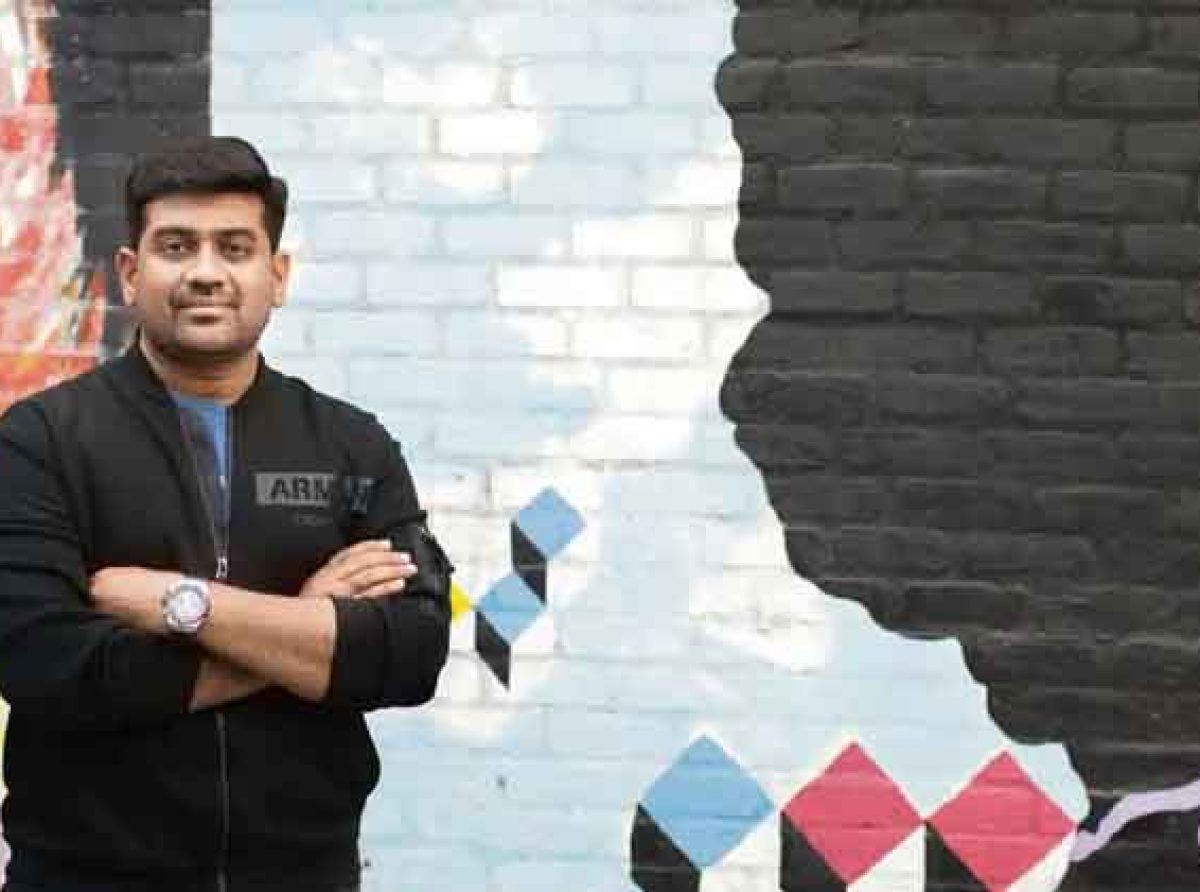
Fast-fashion has always been an unpredictable realm, and Virgio’s recent announcement to discontinue its operations just validates this volatility. Founded by the former Myntra head, the startup’s journey, although brief, was nothing short of meteoric. However, just months after securing a hefty investment that led to its valuation soaring past $160 million, Virgio is set to wind down.
For many of its patrons, a visit to Virgio’s official website came as a shock. A rather straightforward message stating, “The fast-fashion label you’ve grown fond of is now off the table,” took prime position. While businesses shutting down isn’t an anomaly, the timeline of Virgio’s ascent and descent is what makes it newsworthy.
Virgio’s helmsman, Amar Nagaram, took to LinkedIn to share his personal thoughts on this unexpected development. His post, distinctively phrased, read, “Exactly a year post the inception of Virgio, we never imagined we’d face this juncture.” He went on to describe this sudden closure as a watershed moment for his brainchild. The message, coupled with the timing, underscored the unpredictability inherent in the startup ecosystem.
But what exactly led to this quick ascent? Rewind to December of the previous year, and Virgio was in the news for an entirely different reason. The startup had successfully locked in a Series A funding round amounting to $37 million. This wasn’t just any investment round; it saw the participation of heavyweights such as Prosus Ventures, Accel, and Alpha Wave Global. The faith they placed in Virgio’s mission and model resulted in an impressive valuation of $161 million.
It’s essential to delve into the crux of what Virgio aimed to offer. At its core, the startup banked on a simple, yet powerful observation: the ever-evolving fashion tastes of consumers. Virgio believed that a significant chunk of the population, especially the younger crowd, felt the existing market was not aligned with their fashion needs. Riding on this belief, the company aspired to revolutionize its design, procurement, and production strategies. The goal? To strike a chord with the often hard-to-please Gen Z and the older millennial demographic.
A cursory look at Virgio’s offerings was enough to validate its diverse approach. From casual wear suitable for a day out with friends to festive attire that added sparkle to celebrations, and traditional wear that blended culture with style, Virgio seemed to have it all. What made it even more appealing was its promise of new arrivals every week, ensuring its collection was always in sync with the latest trends.
However, the golden question remains: what led to this sudden downfall? As of Saturday evening, Nagaram chose not to comment on the specifics. While the reasons remain speculative, the journey of Virgio underscores the inherent challenges in the fast-fashion industry. Constantly shifting consumer preferences, intense competition, supply chain complexities, and the need to stay perpetually relevant are just some of the challenges brands face.
It’s also worth noting that while securing investments is an achievement in itself, it brings with it increased expectations and pressures. A high valuation can often become a double-edged sword. On the one hand, it provides validation and generates buzz in the market. On the other, it ratchets up the pressure to deliver consistent growth and profitability, which, in a sector as mercurial as fast-fashion, is easier said than done.
For now, all eyes will be on Nagaram and his next move. The industry will keenly observe if he chooses to take the learnings from Virgio and plunge back into the entrepreneurial world or if he opts for a different path. Whatever the decision, Virgio’s story serves as a reminder of the startup ecosystem’s unpredictability, where highs and lows can sometimes be just moments apart.