

In a bold move to invigorate the continent’s space sector, Europe has signaled a major challenge to the private industry to advance rocket development and foster a generation of space entrepreneurs. This initiative, outlined by the European Space Agency’s (ESA) leading official, marks a strategic shift toward emulating the commercial success of industry giants like SpaceX.
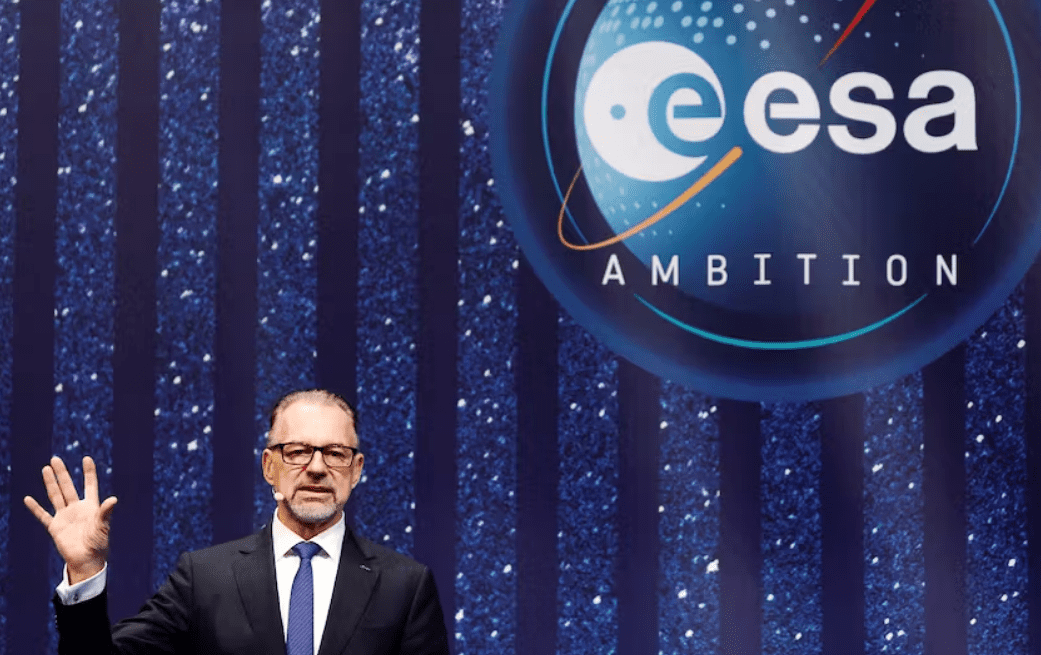
At the heart of a two-day ministerial summit in Seville, the ESA put forth the “launcher challenge,” aiming to stimulate the emergence of new commercial space transportation services in Europe. ESA Director General, Josef Aschbacher, presented this challenge to ministers from the agency’s 22 member countries, with a vision to decrease public investment and invigorate the market for space startups on European soil.
The announcement is the culmination of intensive pre-summit negotiations among Europe’s space powers, with a key focus on aligning the varying interests of prominent space nations. Germany, for example, has advocated for bolstering competition to nurture its burgeoning sector of mini-launcher startups.
This new directive could potentially reshape the landscape for future heavy-lift launchers in Europe, influencing the direction for successors to the current workhorses, Ariane 6 and Vega-C. In this new phase, ESA is looking to transition into a role of patronage, by becoming a customer of the very industry it helped to grow.
The summit’s timing is critical as Europe grapples with pressing challenges, notably the delay of the Ariane 6’s inaugural flight, the Vega-C’s launch failure, and the disconnection from Russian Soyuz launchers amid geopolitical tensions. Aschbacher’s primary objective for the European ministers was clear: expedite the Ariane 6’s maiden voyage and ensure Vega-C returns to active service.
The dialogue also extended to long-term strategic concerns, particularly the funding and policy decisions surrounding the French-led Ariane 6 project, now trailing its scheduled launch by four years, and Italy’s determination to gain greater autonomy over the Vega-C initiative.
Further illustrating the continent’s collaborative efforts, Italy announced its intent to reach an agreement with France and Germany, which would allow the Italian aerospace company, Avio, to independently operate the Vega-C rocket. This deal would mark a significant milestone in Italy’s space ambitions, potentially working in tandem with the current operations conducted by Arianespace.
With an eye on the future, Aschbacher emphasized the importance of not allowing Europe to fall behind in the space race as it has in other tech industries. The ESA has carved a niche in satellite missions for environmental and scientific research but has often taken a backseat in manned space exploration.
A pivotal discussion point at the summit was the prospect of seeking private investments for an innovative spaceplane project, which could serve the International Space Station with cargo deliveries and, potentially, human transport. This proposal echoes the ambition of the defunct Hermes spaceplane, revealing Europe’s revived aspirations in human spaceflight.
As the summit concluded, the message was clear: Europe is ready to reignite its space endeavors, embarking on a journey of competition, collaboration, and innovation, setting a new trajectory in its quest for the stars.